Tea Towel
Botanica Nocturne Tea Towel
From US$35
Pl. IThe dense field
Collection N° I
An olive branch, engraved as a naturalist's plate. Made to order, and finished by hand.
One olive branch, drawn as a naturalist once drew it, and nothing added that the plate did not already hold.
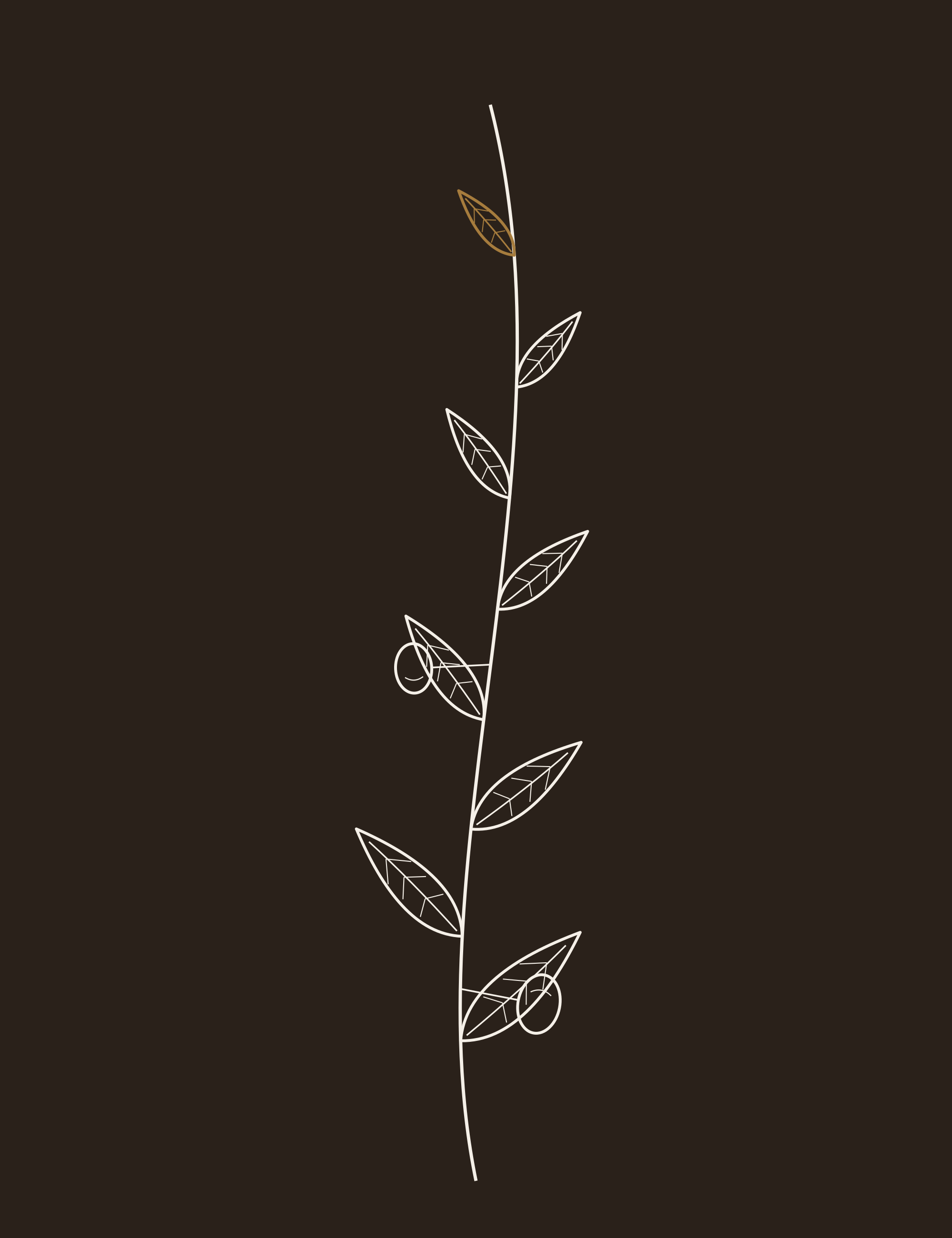
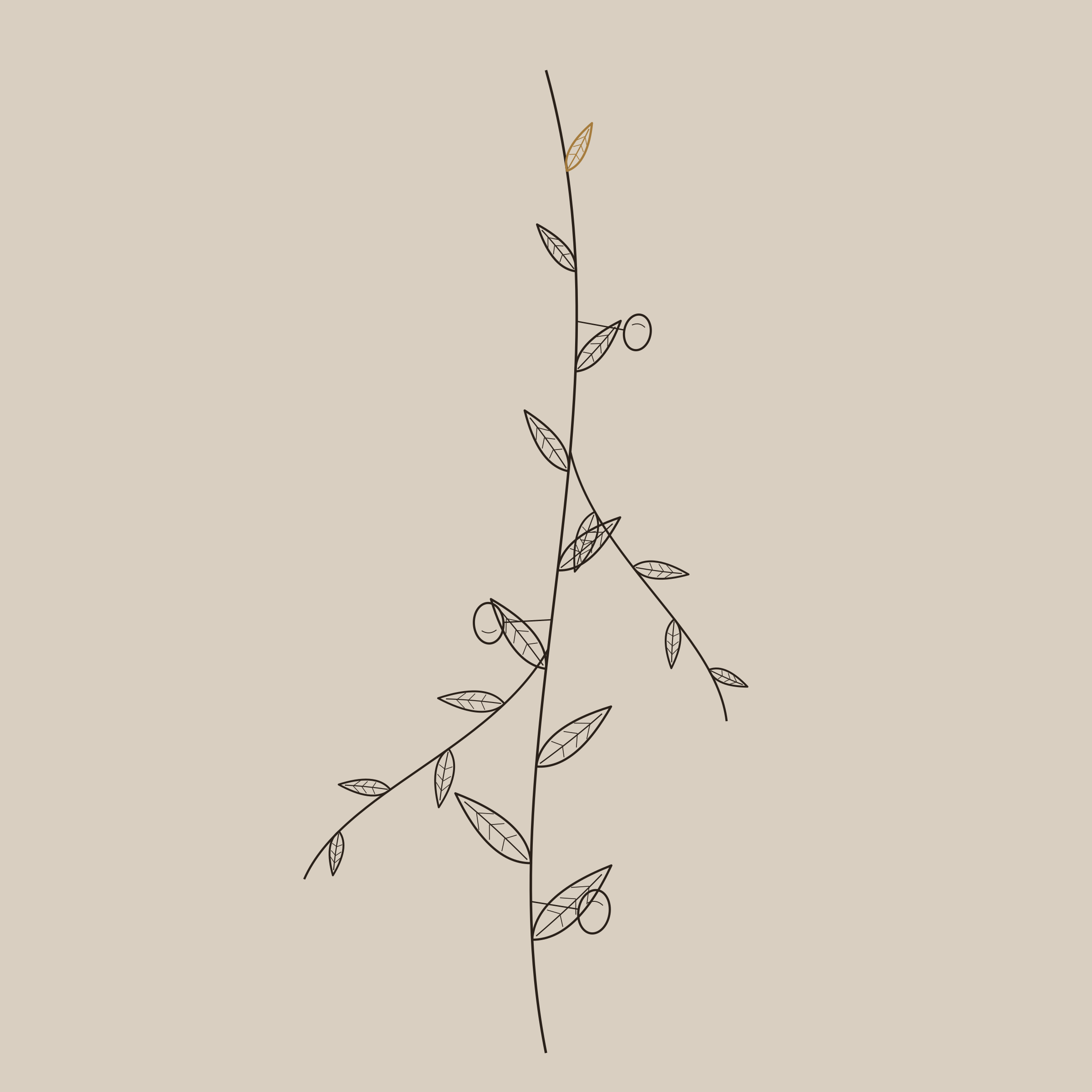
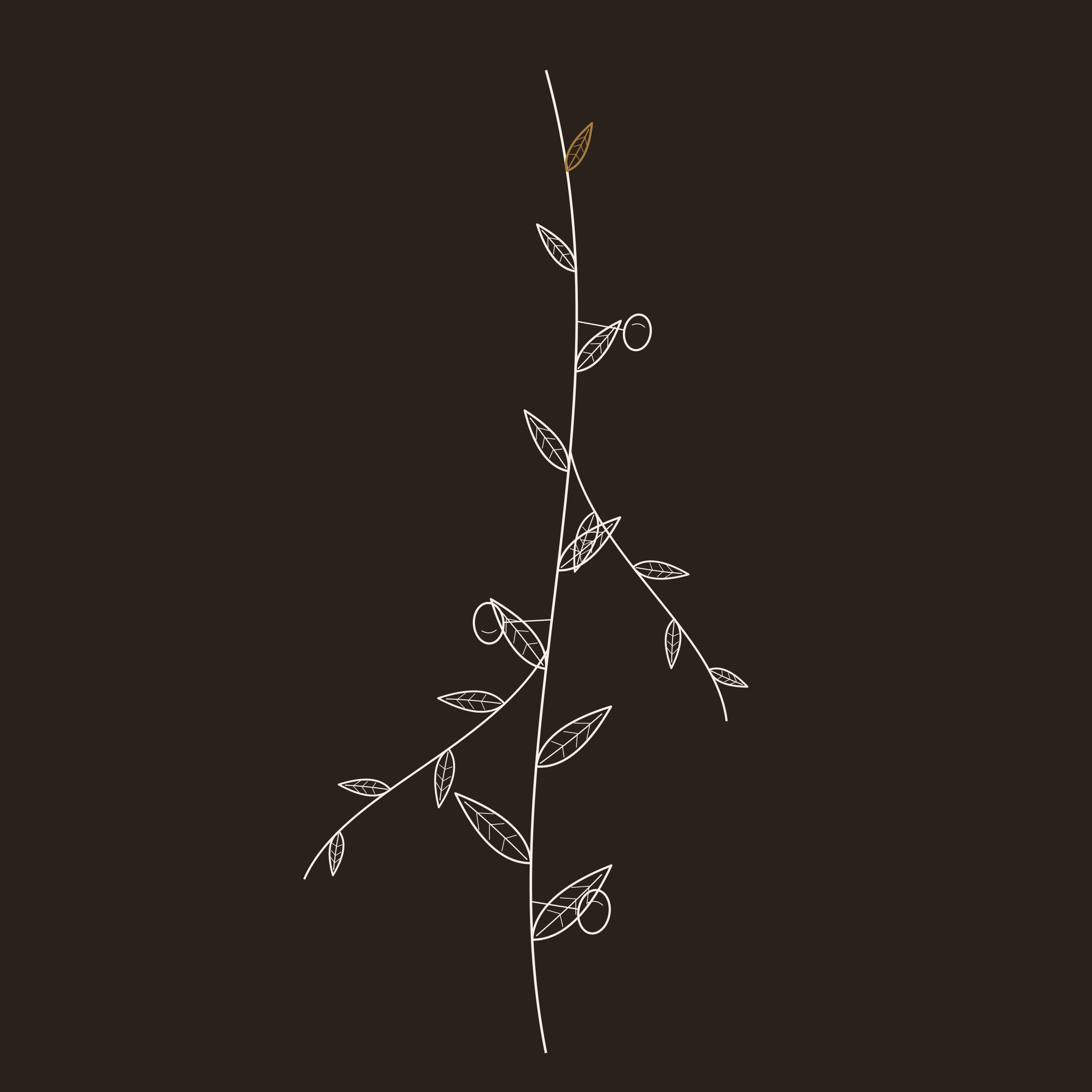
A dense engraved botanical drawn in the manner of a nineteenth-century naturalist plate — one olive branch, rendered in linework fine enough to read as an apothecary label at arm's length and as botany up close.
Nothing is redrawn for a product. The plate is cropped, edged or set alone, and the linework stays exactly as it was engraved.
The complete engraved botanical repeat. Used where a large flat surface can carry the whole story — as a border treatment, or as a full or reduced-scale repeat.
Large flat surfaces: borders on linen, full repeats on cushions, throws, wall hangings and canvas prints.
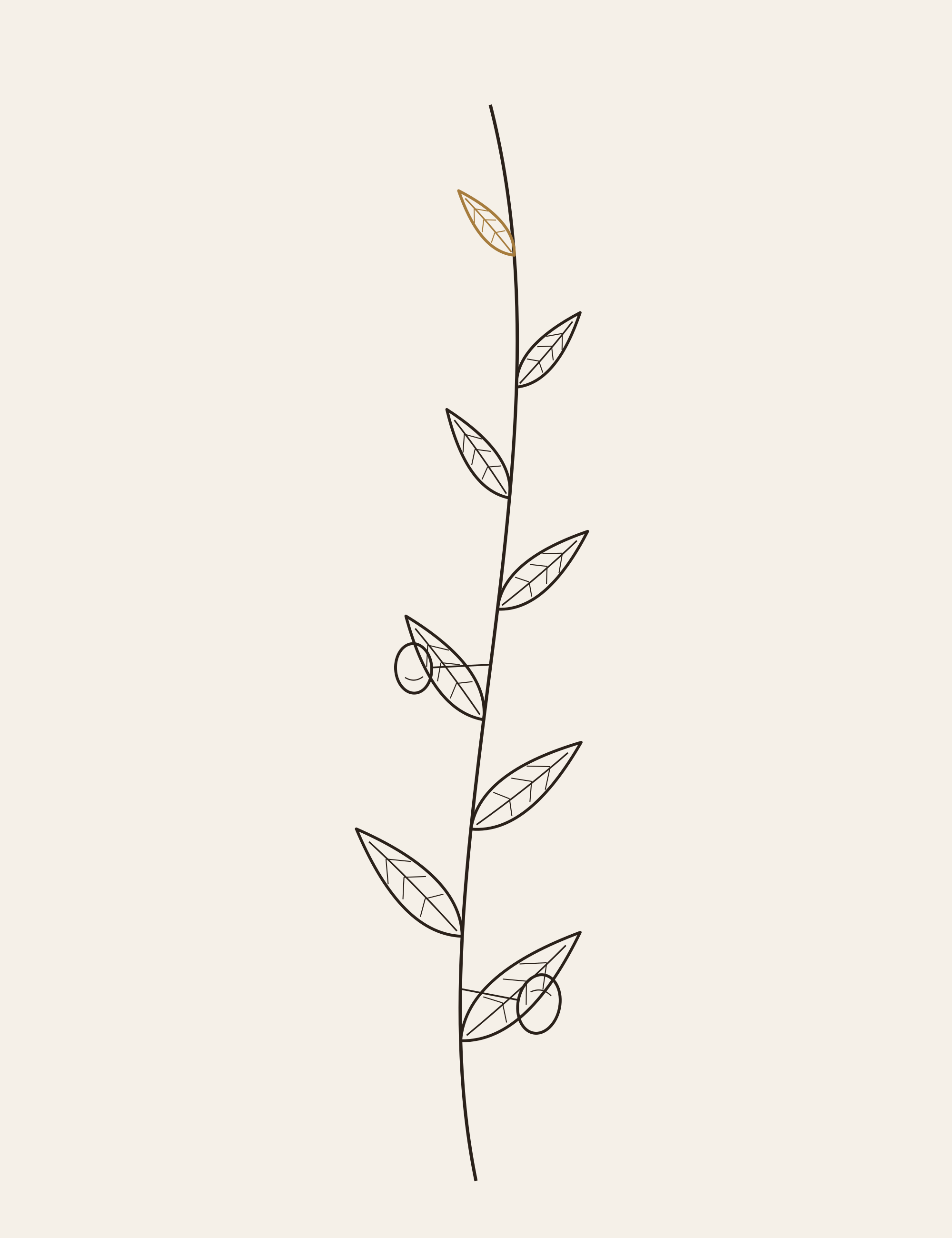
One isolated branch or leaf cluster pulled directly out of the dense field and used as a standalone mark. It is a crop, never a redrawn simplification — the line weight and engraving of the plate are preserved exactly.
Placement marks and smaller pieces where a dense print would be too loud, or too costly to execute well: mugs, coasters, tins, chest and cuff placements.

The thin gold or ivory linework that edges the dense field, used alone as a minimal trim. It is the same line that frames the plate — and the same hairline that runs through the rest of the house's visual language.
Edges and trims: hems, napkin and glove borders, board edges, bag piping.
The house began at the table and works outward from there, slowly.
Kitchen & DiningI / VII
An olive branch, engraved as a naturalist's plate.
Not a print run. Each piece is made once it is bought, to a standard set for daily use rather than for display.
Nothing is warehoused. Each piece is made after it is bought — slower, and better: no surplus, no clearance, and no season that ends in a sale.
Every piece is made and finished by hand to order, then checked before it is packed. Where a hem, an edge or a seam is involved, a person has handled it.
These are working objects, not display pieces. The tray gets carried and the tea towel goes in the wash, and they are made to be treated that way.

Beer Glass
From US$42.95

Bathrobe
From US$149

Plant Pot
From US$52.45

Vase
From US$85

Throw
From US$56

Whiskey Glass
US$47.95

Water Glass
US$45.45

Ceramic Bowl
From US$49.45

Ornamental Bowl
From US$66

China Plate
From US$43.45
Three essays are being written. They are listed here so you know what is coming, and will link once they are published.
In preparation
One olive branch, and why it is engraved rather than painted.
In preparation
Ivory, sand and espresso, and the rooms each one suits.
In preparation
What a printed piece needs to last as long as it should.
A note when a new collection opens, and nothing more often than that.
Write to joinOpens your email. We reply from [email protected].